

A manual displacement stage is widely used in laboratories, optical systems, precision measurement equipment, semiconductor manufacturing, and industrial automation. Proper operation is essential for maintaining positioning accuracy, extending the service life of the equipment, and ensuring operator safety.
Misi Precision Machinery share the key precautions to follow when using a manual displacement stage.
1. Read the User Manual Before Operation
Before installing or using the manual displacement stage, carefully read the manufacturer's user manual. Different models may have unique installation methods, load capacities, travel ranges, and maintenance requirements. Following the manufacturer's instructions helps prevent incorrect installation and unnecessary damage.
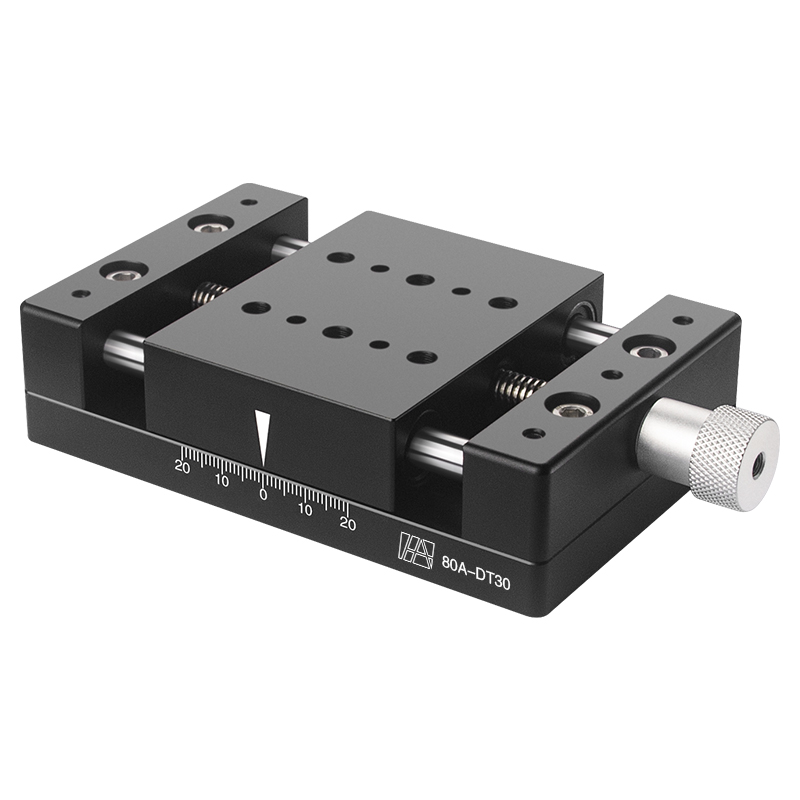
2. Do Not Exceed the Rated Load Capacity
Every manual displacement stage is designed with a maximum load limit. Overloading can lead to reduced positioning accuracy, premature wear of guide rails and bearings, or permanent structural deformation. Always verify that the load is within the specified capacity.
3. Install on a Stable and Level Surface
Mount the displacement stage securely on a rigid, vibration-free platform. An uneven or unstable mounting surface can affect movement accuracy and reduce repeatability, especially in precision applications.
4. Operate the Adjustment Knob Smoothly
Turn the adjustment knob slowly and evenly. Avoid applying excessive force or rotating beyond the travel limits, as this may damage the lead screw, bearings, or internal transmission mechanism.
5. Keep the Stage Clean
Dust, metal chips, and other contaminants can enter the guide rails or lead screw, causing increased friction and reduced positioning accuracy. Clean the stage regularly using a soft, lint-free cloth, and avoid exposing it to harsh environments whenever possible.
6. Lubricate Moving Components Regularly
Follow the manufacturer's maintenance recommendations for lubrication. Proper lubrication reduces wear, minimizes friction, and helps maintain smooth and accurate movement over time.
7. Protect Against Moisture and Corrosion
Store and operate the manual displacement stage in a clean, dry environment. Excessive humidity or exposure to corrosive chemicals may damage metal components and shorten the product's service life.
8. Inspect the Stage Periodically
Regularly check mounting screws, guide rails, lead screws, and locking mechanisms for looseness or wear. Early detection of problems helps maintain reliable performance and prevents unexpected failures.
9. Avoid Sudden Impacts
Do not drop heavy objects onto the stage or subject it to excessive vibration or impact. Mechanical shocks can affect alignment and permanently reduce positioning accuracy.
10. Store Properly When Not in Use
If the displacement stage will not be used for an extended period, clean it thoroughly, apply protective lubricant if recommended, and store it in a dry, dust-free location. Covering the stage can provide additional protection against contamination.
Conclusion
Proper installation, careful operation, regular cleaning, and routine maintenance are essential for achieving the best performance from a manual displacement stage. By following these precautions, users can improve positioning accuracy, extend equipment lifespan, and ensure reliable operation in laboratory and industrial applications.